

How Many Amps Is a Car Battery? CCA, Ah and Choosing the Right Battery
When searching for “how many amps is a car battery”, many people expect to find a single number. However, a car battery does not have one fixed amp rating. The amount of current a battery can provide depends on how it is measured and what the vehicle requires.
Most modern cars use a 12V battery, but the starting current can range from a few hundred amps to more than 900 amps depending on the engine size, battery type, and vehicle design. Instead of looking only at amps, drivers should understand three important specifications:
- Cold Cranking Amps (CCA)
- Amp Hours (Ah)
- Reserve Capacity (RC)
Knowing the difference between these ratings makes it easier to choose the correct replacement battery and avoid common starting problems.

How Many Amps Does a Car Battery Have?
A typical car battery can deliver hundreds of amps during engine startup, but the exact amount varies between vehicles.
For example:
| Vehicle Type | Typical Starting Current |
|---|---|
| Small petrol cars | 300–500 amps |
| Family cars | 500–700 amps |
| Diesel cars and SUVs | 700–1000+ amps |
The battery does not continuously output this current. Instead, it provides a short burst of high power to the starter motor. Once the engine starts, the alternator supplies electricity and recharges the battery.
This is why the answer to “how many amps does a car battery have” depends on whether you mean starting power or stored energy.
What Does Amp Rating Mean on a Car Battery?
Car batteries are usually described using several different measurements. Each one tells you something different about battery performance.
Cold Cranking Amps (CCA)
CCA is the most important rating for starting performance.
It measures how much current a fully charged battery can provide when starting an engine in cold conditions. A higher CCA rating means the battery can deliver more starting power.
For UK drivers, CCA is particularly important because cold mornings can reduce battery performance.
Typical ranges:
| Vehicle | Recommended CCA Range |
|---|---|
| Small petrol vehicles | 350–500A |
| Medium-sized cars | 500–700A |
| Diesel vehicles | 600–900A+ |
Diesel engines generally require higher CCA because they need more power to turn over compared with petrol engines.
Amp Hours (Ah)
Amp Hours measure battery capacity rather than starting power.
A battery rated at 60Ah can theoretically provide:
- 1 amp for 60 hours
- 5 amps for 12 hours
However, a standard car battery is designed mainly for starting the engine, not for continuous power delivery.
Most passenger vehicles use batteries around 40Ah–80Ah, while larger vehicles may require higher-capacity batteries.
Reserve Capacity (RC)
Reserve Capacity indicates how long a battery can continue supplying power if the alternator stops working.
It is useful for modern vehicles with many electrical systems, including:
- Safety electronics
- Navigation systems
- Vehicle computers
- Interior lighting
A higher RC rating provides additional backup time.
How to Find the Right Amp Rating for Your Car Battery
When choosing a replacement car battery, the goal is not to find the battery with the highest amp rating. Instead, the right battery should match your vehicle’s starting requirements, electrical system, and battery specifications.
The three key ratings to check are:
| Specification | What It Means |
|---|---|
| CCA (Cold Cranking Amps) | The battery’s starting power |
| Ah (Amp Hours) | The amount of stored energy |
| Battery Type | Compatibility with your vehicle system |
CCA and Ah measure different aspects of battery performance. A battery with a higher Ah rating does not necessarily provide stronger starting power, while a higher CCA rating does not always mean it is suitable for every vehicle.
Check Your Existing Battery Label
The easiest way to find the correct replacement battery is to check the information printed on your current battery.
A typical UK car battery label may show:
12V | 70Ah | 760A CCA | AGM
These numbers represent:
12V
The battery voltage used by most passenger vehicles.
It does not mean the battery produces 12 amps. Voltage and current describe different electrical characteristics.
70Ah
The battery capacity.
A higher Ah rating means the battery can store more energy and support electrical loads for longer.
760A CCA
The Cold Cranking Amps rating.
It indicates how much current the battery can provide during engine starting under standard test conditions.
When replacing your battery, compare:
- CCA rating
- Ah capacity
- Battery size
- Terminal position
- Battery technology (AGM/EFB)
Checking these specifications helps prevent installing a battery that does not match your vehicle requirements.
Match the Battery to Your Vehicle Type
Different vehicles require different battery specifications.
| Vehicle Type | Typical Battery Requirement |
|---|---|
| Small petrol cars | Lower Ah and CCA ratings |
| Family hatchbacks | Medium Ah and CCA ratings |
| Diesel vehicles | Higher CCA for stronger starting performance |
| Start-Stop vehicles | AGM or EFB battery technology |
Diesel vehicles usually require higher CCA because diesel engines need more cranking power. Vehicles equipped with Start-Stop systems also require batteries designed for frequent charging and discharging cycles.
Avoid Choosing a Battery Based Only on Amps
A common mistake is assuming that a battery with the highest amp rating is always the best option.
A battery that is too small may cause:
- Slower engine starts
- Reduced performance in colder conditions
- Shorter battery lifespan
However, choosing a battery that is too large or incompatible may also create problems, including incorrect fitting or charging issues.
Before purchasing, always confirm:
- Battery dimensions
- Terminal location
- Recommended CCA rating
- Required Ah capacity
- AGM/EFB compatibility
Do Start-Stop Cars Need More Powerful Batteries?
Many UK vehicles now use Start-Stop technology, which automatically switches the engine off when the vehicle stops.
Because these vehicles restart the engine frequently, they usually require specialised batteries.
EFB Batteries
Enhanced Flooded Batteries are commonly used in vehicles with basic Start-Stop systems.
Benefits:
- Better cycle performance
- More suitable for repeated starting
AGM Batteries
Absorbent Glass Mat batteries are designed for vehicles with higher electrical demands.
Benefits:
- Faster charging
- Higher durability
- Better performance under frequent cycling
Replacing an AGM or EFB battery with a standard battery may reduce performance and shorten battery life.
Can a Car Battery Power Devices?
A standard car battery is designed for one main purpose: providing a short burst of high current to start the engine. It is not built for continuous power output or repeated deep discharge.
Using a starter battery to run camping equipment can reduce its lifespan and may leave you unable to start your vehicle. For longer outdoor trips, caravanning, or emergency power needs, a portable power station is a more practical solution.
For users who need more power capacity, the AFERIY P180 Pro Portable Power Station provides 1024Wh capacity and 1800W output, offering additional flexibility for longer camping trips, caravans, and emergency situations.

Compared with relying on a vehicle battery, a dedicated portable power station allows your car battery to remain focused on starting the engine while providing a safer and more convenient power solution.
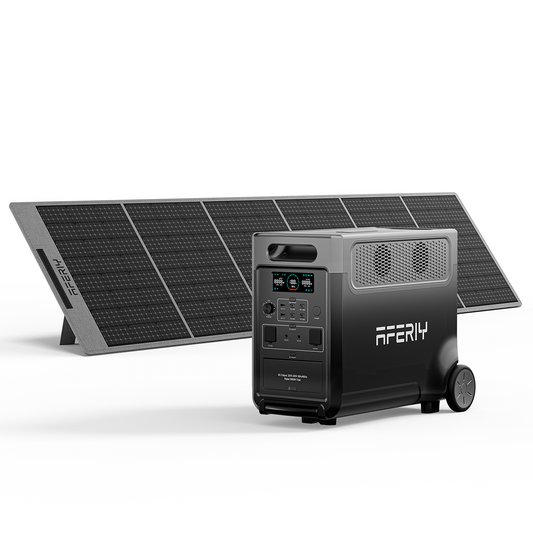
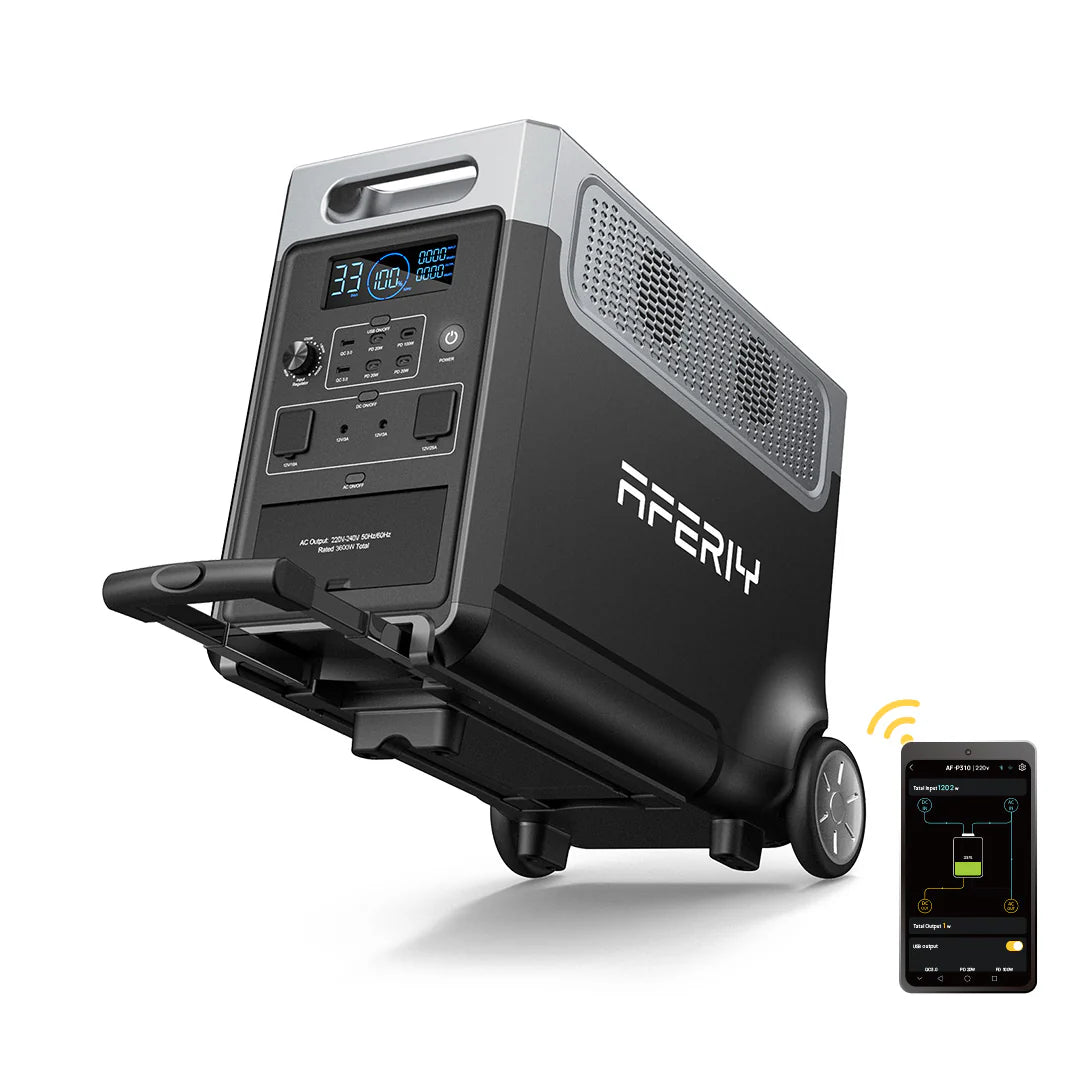
The AFERIY P210 Portable Power Station is designed for users who need significantly more energy than a standard starter battery can provide. With a 2048Wh LiFePO₄ battery and a 2400W pure sine wave inverter, it can power everything from laptops and portable fridges to electric kettles, coffee makers, power tools, and many household appliances. It also supports up to 500W solar charging, making it a practical companion for off-grid camping, caravan holidays, and extended outdoor adventures. In addition, its UPS function with switchover in under 10ms helps keep essential devices running during unexpected power interruptions, while the long-life LiFePO₄ battery is rated for 4,000+ charge cycles for dependable long-term use.

How to Choose the Right Car Battery
Choosing the right battery is not simply about buying the highest amp rating.
Check Your Vehicle Requirements
Before purchasing, confirm:
- Battery size
- CCA requirement
- Ah rating
- Battery type
The correct battery should match your vehicle manufacturer’s specifications.
Consider Your Driving Habits
Battery problems are often caused by usage patterns.
For example:
- Short journeys – Frequent short trips may not allow the alternator to fully recharge the battery.
- Long periods parked – Vehicles left unused for weeks can experience battery discharge.
- Frequent accessory use – Running electronics while the engine is off can reduce battery charge.
FAQs
How long does it take to charge a car battery at 40 amps?
A 40-amp charger can recharge a car battery faster than a low-current charger, but the charging time depends on battery capacity and how deeply it has been discharged. A 60Ah battery may take several hours in real-world conditions because charging slows as it approaches full capacity.
What is the normal amp rating for a car battery?
Most passenger car batteries are rated around 40–80Ah, while starting performance is usually measured by CCA, which is often several hundred amps. These ratings describe different aspects of battery performance.
How long do car batteries usually last?
Most car batteries typically last around 3–5 years, although driving habits, battery type, climate, and charging conditions can affect lifespan.
Can a car battery lose power while still showing normal voltage?
Yes. A battery can display normal voltage but still have reduced starting ability because it may no longer provide enough CCA under load.
Do Start-Stop cars need special batteries?
Yes. Many Start-Stop vehicles require EFB or AGM batteries because they are designed to handle frequent engine restarts and repeated charging cycles.
Conclusion
A car battery does not have one simple amp rating. When people ask “how many amps is a car battery”, they may be referring to starting power, battery capacity, or backup performance.
CCA shows how much power a battery can provide when starting the engine, while Ah indicates stored energy capacity. Understanding these ratings helps UK drivers choose the right battery, avoid starting issues, and find better solutions for powering devices away from home.