

What Can a 3000W Inverter Run? A Complete UK Guide
When choosing a backup power solution, one of the most common questions is: what can a 3000W inverter run?
A 3000W inverter can power a wide range of appliances, from fridge freezers and kitchen equipment to electronics and power tools. However, the actual appliances it can run depend on more than the inverter’s rated output. Factors such as running wattage, startup power, battery capacity, and total load all affect performance. This guide explains what a 3000W inverter can run and what to consider before choosing a power system.

What Is a 3000W Inverter?
A 3000W inverter converts DC electricity stored in a battery into AC electricity that can be used by everyday electrical appliances.
In a typical battery‑powered system, the battery stores energy, while the inverter changes that stored DC power into the type of electricity used by household devices. This allows users to operate appliances in locations where mains electricity is unavailable, such as campsites without hookups, remote locations, or during a power cut.
The “3000W” rating refers to the inverter’s continuous output capability. In simple terms, it indicates the maximum amount of power the inverter can provide during normal operation.
However, appliance compatibility depends on two different power requirements.
Running wattage is the power an appliance uses while operating normally. Smaller electronics such as laptops, routers, televisions, and LED lighting usually have relatively low power requirements.
Startup power, sometimes called surge power, refers to the temporary increase required when certain appliances first turn on. Devices such as fridge freezers, pumps, compressors, and some power tools may require significantly more power during startup than they use while running.
For users powering sensitive electronics, a 3000W pure sine wave inverter is often preferred because it provides cleaner and more stable AC power, similar to the electricity supplied by the mains grid.
What Can a 3000W Inverter Run?
A 3000W inverter can run many everyday appliances as long as the combined power demand stays within its continuous output and surge limits.
The following examples show typical power requirements for common devices:
| Appliance | Typical Power Consumption |
|---|---|
| Fridge freezer | Around 100–400W (higher startup power required) |
| Wi‑Fi router | Around 10–40W |
| Laptop | Around 50–100W |
| LED lighting | Around 5–15W per bulb |
| Television | Around 50–300W |
| Microwave | Around 900–1500W |
| Coffee machine | Around 800–1500W |
| Electric kettle | Around 1000–3000W depending on model |
| Drill | Around 500–1000W |
| Circular saw | Around 1200–1800W |
Actual power consumption varies between appliance models, so checking the manufacturer’s specifications is always recommended.
In real‑world use, a 3000W inverter can support a combination of everyday devices, such as a fridge freezer, router, lighting, laptop, and television. The key is ensuring that the combined load remains within the inverter’s continuous output and surge capacity.
Common Uses for a 3000W Inverter
A 3000W inverter is often chosen by users who need reliable power away from the mains supply. In the UK, common applications include caravans, motorhomes, off‑grid setups, and emergency backup.
For caravan and motorhome owners, a 3000W inverter provides greater flexibility when travelling without campsite electrical hookups. It can support everyday equipment such as fridge freezers, entertainment devices, laptops, and selected kitchen appliances when paired with a suitable battery system.
For off‑grid applications, a 3000W inverter can be used as part of a larger solar and battery setup. The solar panels generate electricity, the battery stores energy, and the inverter converts stored DC power into usable AC electricity for everyday devices. This type of system can be useful for remote workspaces, garden buildings, and locations where mains power is unavailable.
During a power cut, most users do not need to run every appliance in their home. Instead, a 3000W inverter can help provide backup power for essential devices such as refrigeration, lighting, communication equipment, and computers.
However, a 3000W system is not always the most practical choice for every situation. For camping trips, outdoor activities, or users who prioritize portability over maximum output, a smaller power solution may be more suitable.
The AFERIY P180 Pro Portable Power Station is designed for users who need convenient portable power for outdoor adventures, emergency charging, and smaller appliances. Its compact design makes it easier to transport while still providing reliable electricity for everyday outdoor needs.

What Factors Affect What a 3000W Inverter Can Run?
Although a 3000W inverter can provide enough power for many appliances, its real‑world performance depends on more than the inverter’s rated output. Running power, startup requirements, battery capacity, and total load all affect what devices can be used reliably.
Running Power and Startup Requirements
The first factor to consider is the difference between running watts and surge watts.
Running watts refer to the power an appliance uses during normal operation, while surge power is the additional power required when some appliances start. Devices with motors or compressors, such as fridge freezers, pumps, and power tools, often require extra power during startup.
This means an appliance may appear to be below 3000W but still fail to start if the inverter cannot handle the initial surge. For reliable operation, users should check both continuous output and surge capacity rather than focusing only on the inverter’s wattage.
Battery Capacity and Runtime
The inverter determines how much power can be supplied at one time, while the battery determines how long that power can be maintained.
A larger inverter does not automatically provide longer runtime. The available operating time depends mainly on battery capacity, appliance power consumption, inverter efficiency, and usage patterns.
For example, a fridge freezer may run for many hours because its compressor only operates in cycles, while high‑power appliances such as kettles or heaters can quickly use stored energy because they consume power continuously.
A simple estimate is:
Runtime (hours) = Usable Battery Capacity (Wh) ÷ Appliance Load (W)
Actual runtime may vary because of efficiency losses and real‑world usage conditions.
Total Appliance Load
The number of appliances running at the same time also affects performance.
A 3000W inverter may comfortably power several lower‑power devices together, such as refrigeration, lighting, internet equipment, and laptops. However, combining multiple high‑power appliances can quickly increase the total load and reduce available capacity.
For this reason, users should consider their expected appliance combination rather than checking only whether one device can run.
Traditional Inverter System vs Portable Power Solution
A traditional inverter system and a portable power station are designed for different applications. A standalone inverter can provide high flexibility for customized installations, while a portable power station offers a simpler all‑in‑one solution by combining the main power components into one unit.
| Feature | Traditional Inverter System | Portable Power Station |
|---|---|---|
| Main function | Converts DC power from a battery into AC power | Stores energy and converts it into usable AC/DC power |
| Components required | Requires separate battery, charger, wiring, and protection equipment | Battery, inverter, charging system, and protection features are integrated |
| Installation | Requires system planning, component matching, and wiring | Ready to use after charging |
| Flexibility | More customizable for permanent solar or backup installations | Designed for convenience and portability |
| Portability | Usually fixed in one location due to separate components | Easy to move between home, caravan, and outdoor locations |
| Best suited for | Permanent setups, customised systems, and users with technical knowledge | Home backup, camping, caravans, and users who want simple setup |
A traditional inverter system can be a good choice for users who want a customised setup. However, selecting compatible components and managing installation can require more time and technical knowledge.
For users who prefer a simpler solution, a portable power station combines the main components into one unit, making it easier to set up and use.
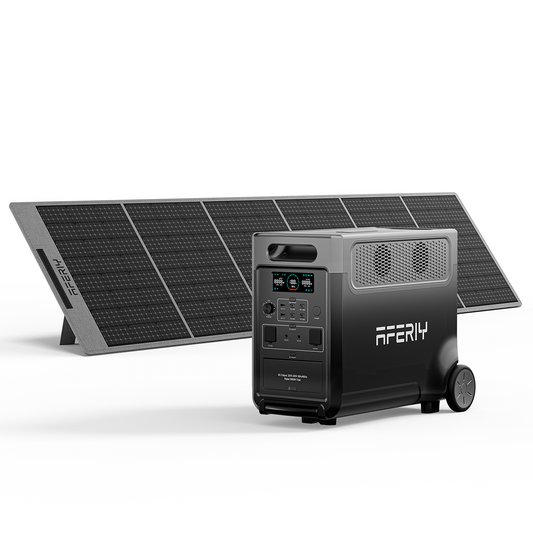
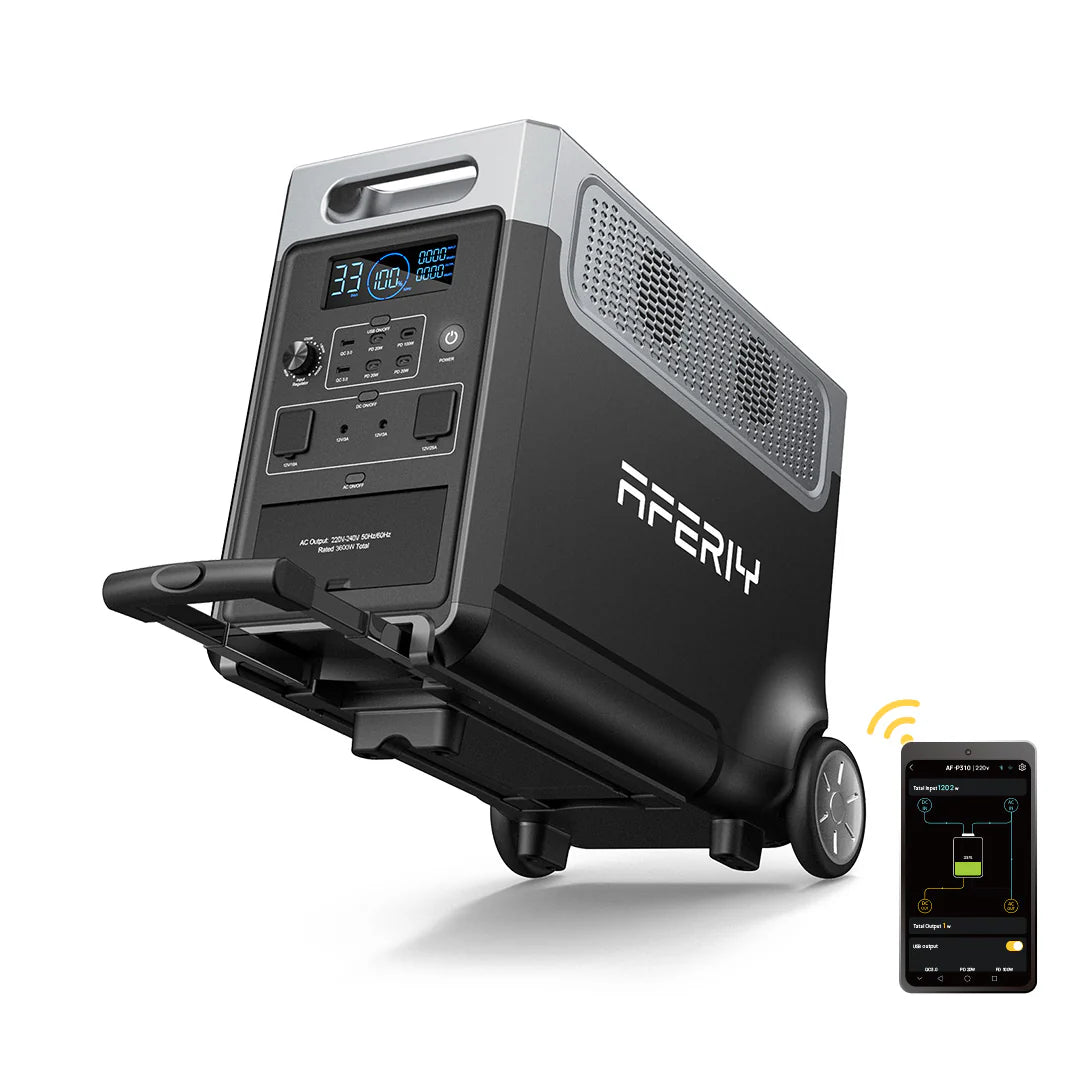
The AFERIY P300 Portable Power Station is designed for users who need high‑output portable power for home backup, outdoor activities, and off‑grid applications. By combining inverter output, battery storage, and charging functions in one system, it provides a convenient alternative to building a complete inverter setup.

How to Use a 3000W Inverter Safely?
Using a 3000W inverter correctly helps ensure stable performance and longer system life. Users should pay attention to appliance loads, battery capacity, and installation conditions.
Check Appliance Loads Before Use
Before connecting devices, check their running wattage and startup requirements. Appliances with motors or compressors, such as fridge freezers and power tools, may require additional surge power when starting.
Avoid running too many high‑power appliances at the same time, as exceeding the inverter’s output capacity may cause overload or shutdowns.
Use a Suitable Battery System
The battery determines how long the inverter can provide power. A battery with insufficient capacity or discharge capability may reduce performance when powering higher‑demand appliances.
Choosing a battery size that matches your expected usage is essential for reliable operation.
Keep the Inverter in a Suitable Location
A 3000W inverter should be installed in a dry, cool, and well‑ventilated area. Keeping ventilation openings clear helps prevent overheating, especially when the inverter is operating under heavier loads.
With proper load management and installation, a 3000W inverter can provide reliable power for home backup, caravans, and off‑grid applications.
FAQs
What battery size is needed for a 3000W inverter?
The required battery size depends on the appliances being powered and how long you need them to operate. A larger battery provides longer runtime, while the inverter rating only determines the maximum output available.
Can solar panels be connected directly to a 3000W inverter?
Usually not. Solar panels generally require a compatible charge controller and battery system before the stored energy can be converted into usable AC power through an inverter.
Can I leave a 3000W inverter switched on all the time?
It depends on the system design and standby power consumption. For backup applications, leaving an inverter on may be convenient, but users should consider battery drain and follow the manufacturer’s operating recommendations.
Conclusion
A 3000W inverter can run a wide range of appliances, making it a practical option for UK users who need backup power, caravan electricity, or off‑grid capability.
However, choosing the right system requires more than looking at the inverter’s wattage. Appliance power requirements, startup surges, battery capacity, and charging options all influence real‑world performance.
By matching the inverter and battery system to your actual needs, a 3000W power solution can provide reliable electricity for everyday appliances, outdoor adventures, and emergency situations when mains power is unavailable.