

How Many Watts Does a TV Use? Calculate TV Power Consumption
How Many Watts Does a TV Use? Calculate TV Power Consumption
Whether you’re trying to lower your energy bills, prepare for a power cut, or choose a portable power station for camping, it’s helpful to understand how many watts does a TV use. Many people also search how much electricity does a TV use, how much watts does a TV use, or how many watts is a TV when estimating running costs or planning a backup power solution.
The good news is that modern televisions are far more energy-efficient than older models. However, actual power consumption still depends on screen size, display technology, picture settings and daily usage. This guide explains how to calculate TV electricity usage, what affects power consumption, and how to choose a suitable portable power station for different scenarios.

How Many Watts Does a TV Use?
There isn’t a single answer because every television is different. Screen size is one factor, but the display technology and brightness settings also influence how much power a TV consumes.
| TV Type | Typical Power Consumption |
|---|---|
| LED TV | 30–100 W |
| OLED TV | 60–150 W |
| QLED TV | 50–140 W |
| Mini LED TV | 70–180 W |
If you’ve wondered how many watts is a TV or how much watts does a TV use, these figures provide a useful reference. Smaller LED TVs are generally the most energy-efficient, while larger OLED or Mini LED models may consume more electricity, particularly when displaying bright HDR content.
It’s also worth noting that most modern televisions use less than 1 watt in standby mode, although switching the TV off completely is still the better option if it won’t be used for an extended period.
How Much Electricity Does a TV Use?
Knowing a TV’s wattage is only part of the picture. To estimate how much electricity a TV uses, you also need to know how long it operates.
The calculation is straightforward:
Electricity (kWh) = TV Wattage (W) × Hours Used ÷ 1,000
For example, if your TV consumes 100 watts and you watch it for 4 hours each day:
100 × 4 ÷ 1,000 = 0.4 kWh per day
Over a 30-day month:
0.4 × 30 = 12 kWh
Assuming an electricity price of £0.27 per kWh (actual tariffs may vary depending on your energy supplier), the monthly running cost would be:
12 × £0.27 = £3.24
This example shows that a modern TV typically contributes only a small portion of a household’s electricity bill, especially when compared with high-power appliances such as electric heaters, tumble dryers, or ovens.
What Affects a TV’s Power Consumption?
Two televisions with the same screen size can still use noticeably different amounts of electricity. Several factors influence daily energy usage.
Screen Size
Larger screens require more power to illuminate the display, so a 65-inch TV will usually consume more electricity than a 32-inch model.
Display Technology
LED TVs are typically the most energy-efficient. OLED models deliver excellent picture quality but may draw more power during bright scenes. QLED and Mini LED televisions often balance brightness, contrast and efficiency differently depending on the content being displayed.
Picture Settings
Many televisions are shipped with vivid display modes enabled to stand out in showrooms. Lowering screen brightness or selecting Standard or Cinema mode can noticeably reduce electricity consumption without affecting everyday viewing.
HDR and Gaming
Watching HDR films or playing games on a modern console often increases brightness and processing requirements, causing power consumption to rise compared with watching standard television programmers.
Can a Portable Power Station Run a TV?
Understanding how many watts does a TV use is particularly useful when choosing a portable power station. Whether you’re camping in the Lake District, watching live sport in a caravan, or preparing for a temporary power cut at home, a battery-powered solution allows you to keep your television running quietly without relying on fuel.
When selecting a portable power station, there are three specifications that matter most: battery capacity, AC output and inverter quality.
Battery Capacity Determines Runtime
Battery capacity is measured in watt-hours (Wh) and indicates how long a power station can supply electricity.
For example, a 100 W TV connected to a 1,024 Wh portable power station can typically run for around 8–9 hours, depending on inverter efficiency and the actual power draw of the television.
| Battery Capacity | Estimated Runtime (100 W TV) |
|---|---|
| 512 Wh | Around 4 hours |
| 1024 Wh | Around 8–9 hours |
| 2048 Wh | Around 17 hours |
| 3840 Wh | Around 32 hours |
These estimates are particularly useful when planning overnight camping trips or preparing for extended power outages.
Match the AC Output to Your Appliances
The power station’s continuous AC output should comfortably exceed the combined wattage of the devices you’ll be using.
For example:
- TV: 100 W
- Wi-Fi router: 15 W
- Laptop: 65 W
- Phone charger: 20 W
Total demand is only around 200 W, meaning even an entry-level portable power station can handle the load.
However, if you also intend to power appliances such as a kettle, microwave or coffee machine, you’ll need a model with a much higher continuous output.
Choosing the Right Portable Power Station for Running a TV
When choosing a portable power station to run a TV, the most important factors are battery capacity, output power and how you plan to use it. A smaller unit may be enough for occasional camping trips, while home backup situations usually require more battery capacity and higher output.
AFERIY offers portable power stations for different usage scenarios, from outdoor entertainment to emergency home backup.
AFERIY P110-D Portable Power Station
The AFERIY P110-D Portable Power Station features a 960 Wh battery capacity and 1,200 W output, making it suitable for camping trips, outdoor activities and powering a TV together with small electronics.

AFERIY P180 Pro Portable Power Station
With a 1,024 Wh battery and 1,800 W output, the AFERIY P180 Pro Portable Power Station provides longer runtime for situations such as home backup, caravanning and outdoor entertainment, while supporting devices like TVs, Wi-Fi routers and laptops.

AFERIY P210 Portable Power Station
The AFERIY P210 Portable Power Station offers 2,048 Wh capacity and 2,400 W output, making it a better choice for users who need to run multiple essential devices, including televisions, lighting and communication equipment during power outages.

AFERIY P310 Portable Power Station
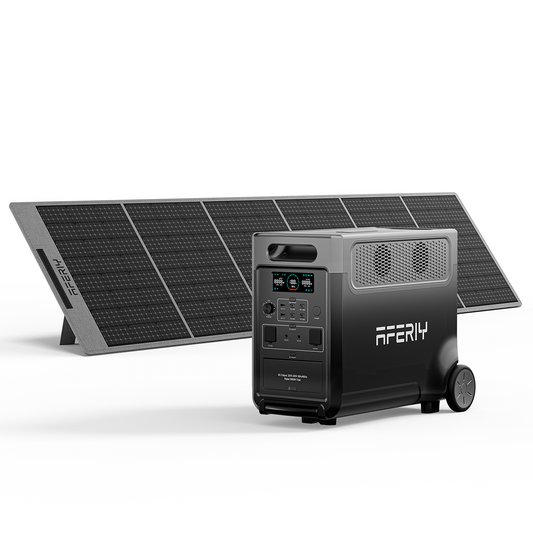
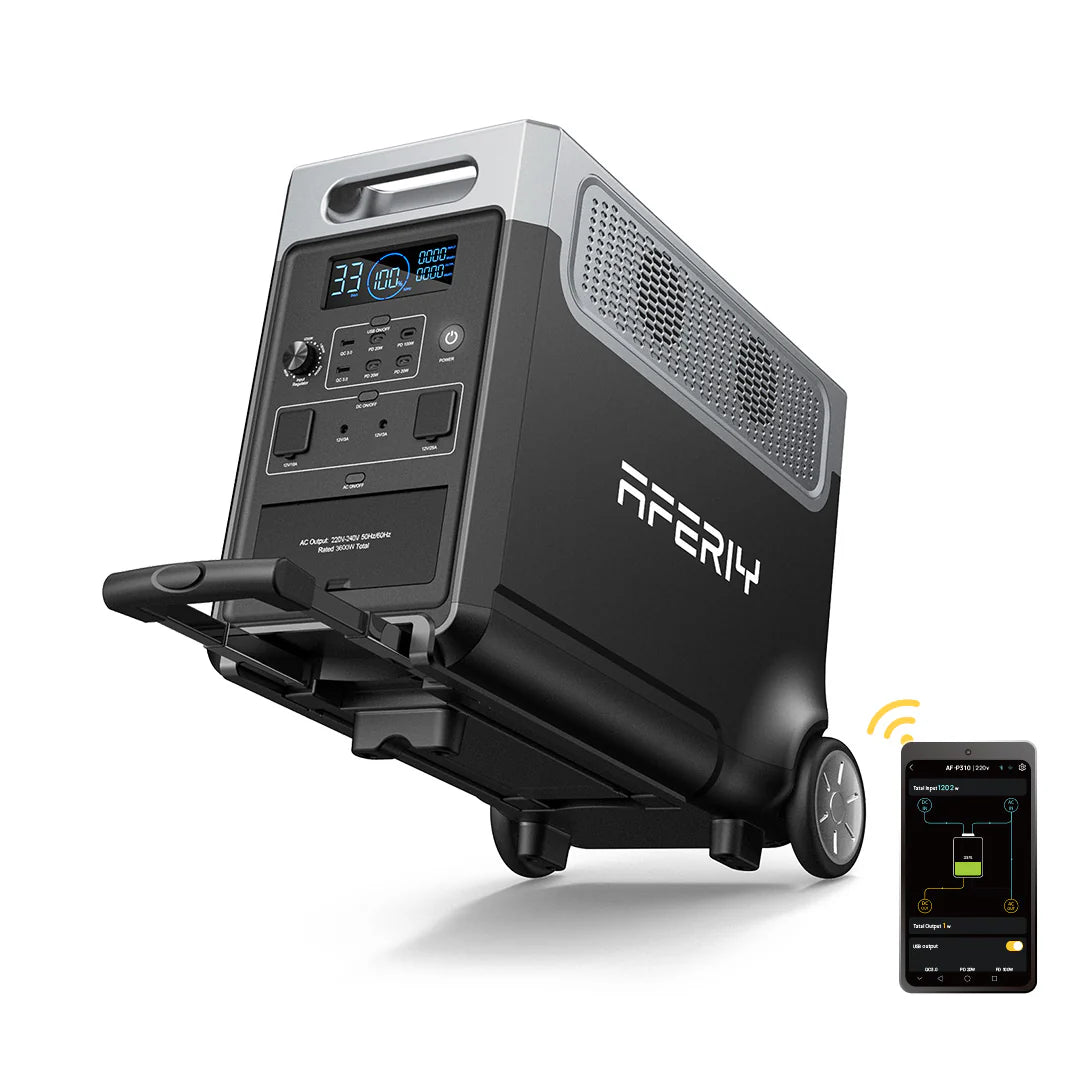
For extended backup needs, the AFERIY P310 Portable Power Station provides 3,840 Wh capacity and 3,600 W output. Its larger battery capacity makes it suitable for longer power interruptions and off-grid scenarios where more devices need to stay powered.

Tips to Reduce TV Electricity Usage
If you’d like to reduce your household energy consumption, a few simple changes can make your television more efficient.
- Lower the screen brightness where possible.
- Enable the built-in Energy Saving mode.
- Switch the TV off completely instead of leaving it in standby.
- Use the sleep timer if you often fall asleep while watching television.
- Avoid Vivid or Dynamic picture modes unless extra brightness is genuinely needed.
- Turn off connected devices such as games consoles when they are not in use.
While the savings from each adjustment may be modest, they can add up over time.
FAQs
Do TVs use a lot of electricity?
No. Compared with appliances such as electric heaters, ovens and tumble dryers, televisions are relatively energy-efficient. Most modern TVs consume between 30 and 180 watts during normal use, making them one of the lower-power appliances in the home.
How many watts is a 55-inch TV?
A typical 55-inch LED television usually uses between 70 and 120 watts, although actual power consumption depends on display technology, brightness settings and the content being viewed.
How much electricity does a TV use in a month?
A 100 W television used for four hours each day consumes approximately 12 kWh per month. Actual electricity usage will vary according to daily viewing habits and the TV’s power rating.
Can a portable power station run a TV?
Yes. Most modern portable power stations can comfortably power a television for several hours, provided the battery capacity and AC output are suitable. They’re commonly used for camping, caravans, outdoor entertainment and emergency backup during power cuts.
Conclusion
Understanding how many watts does a TV use makes it much easier to estimate electricity costs and plan for backup power. While power consumption varies by screen size, display technology and viewing habits, modern televisions are generally economical to operate. By calculating how much electricity does a TV use, adjusting everyday settings and selecting an appropriately sized portable power station when needed, you can enjoy reliable entertainment both at home and off the grid.